


Loading...
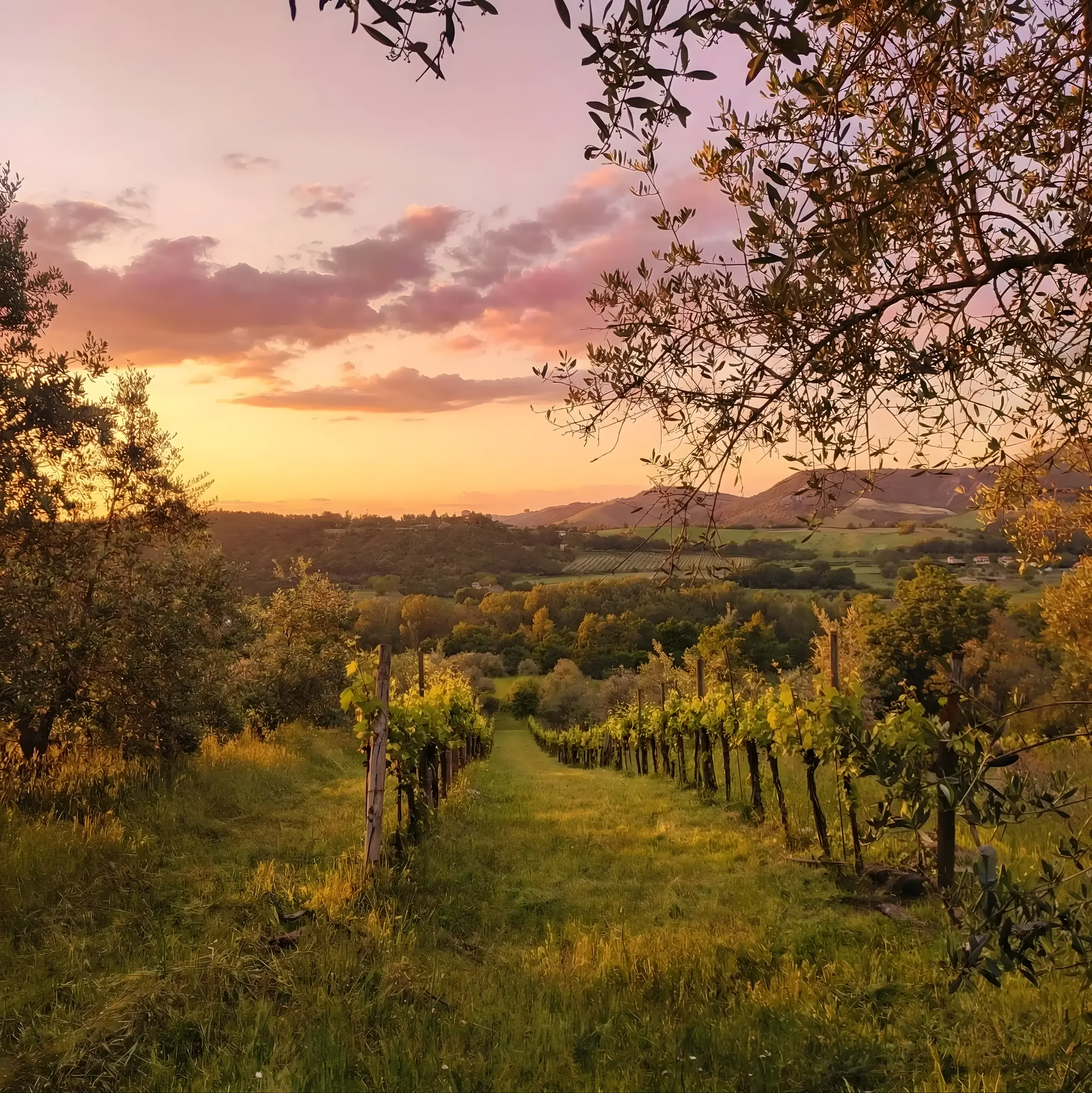
Winery, Vineyards, Olive Trees, Wheat.
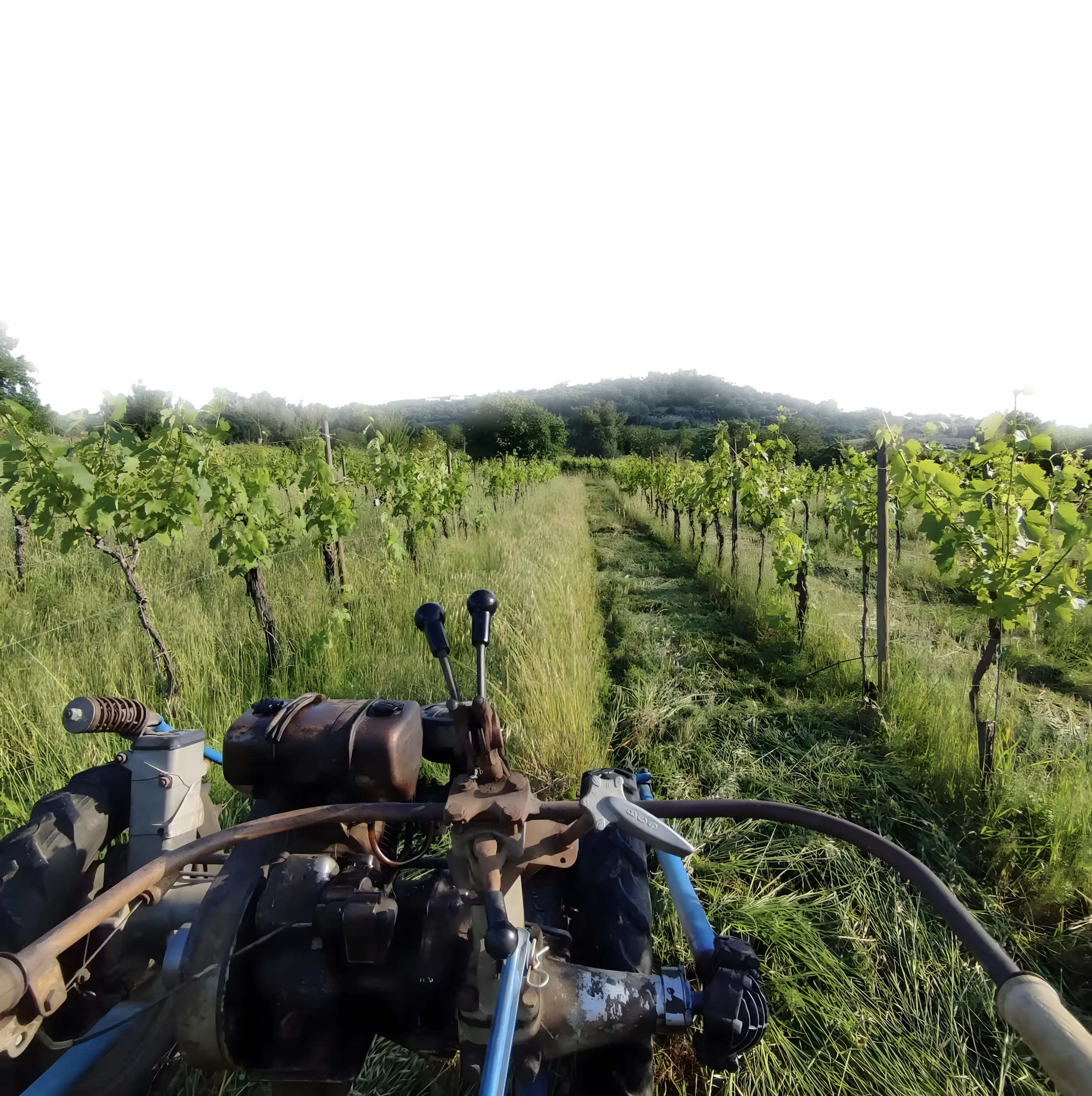
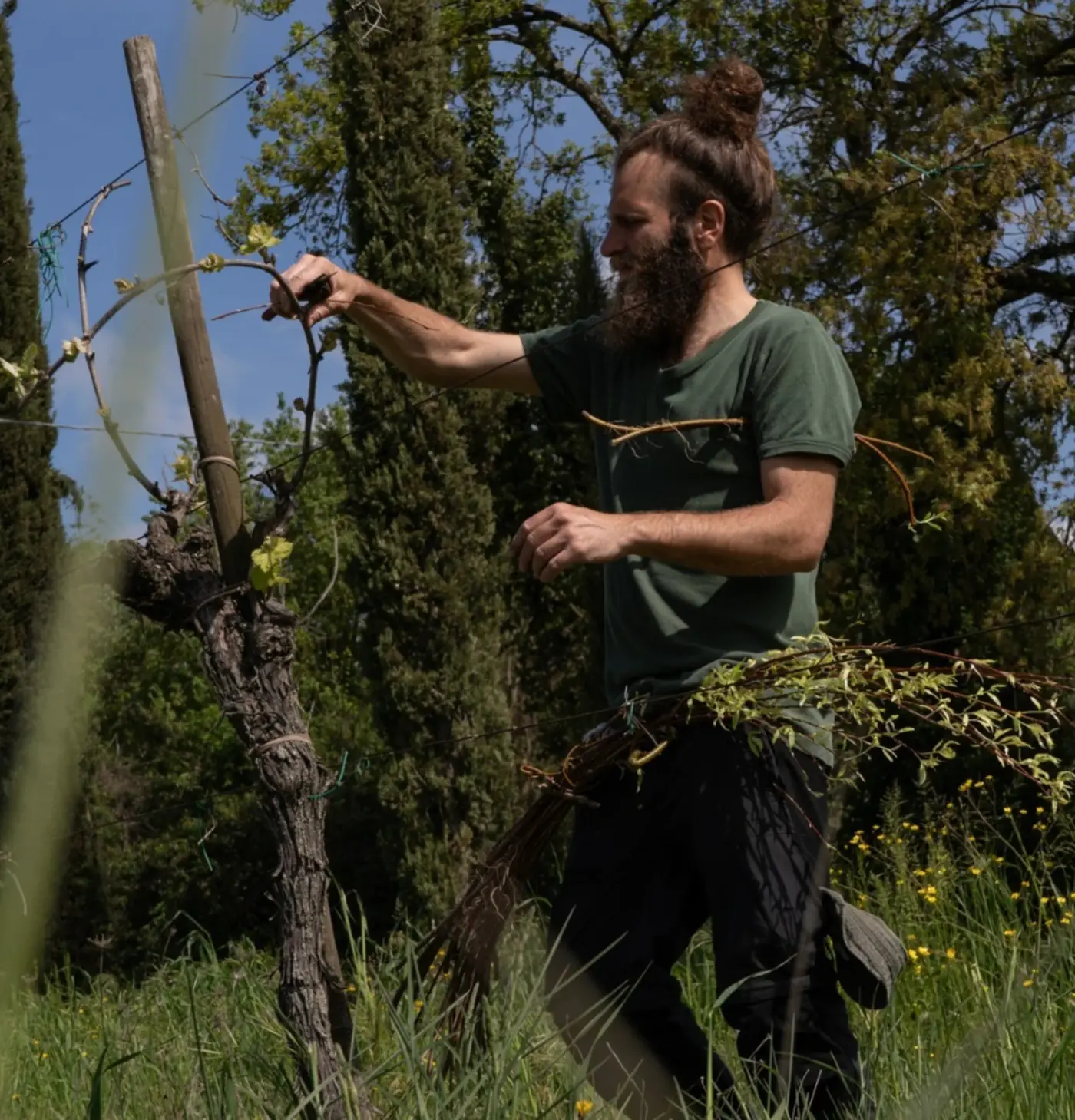
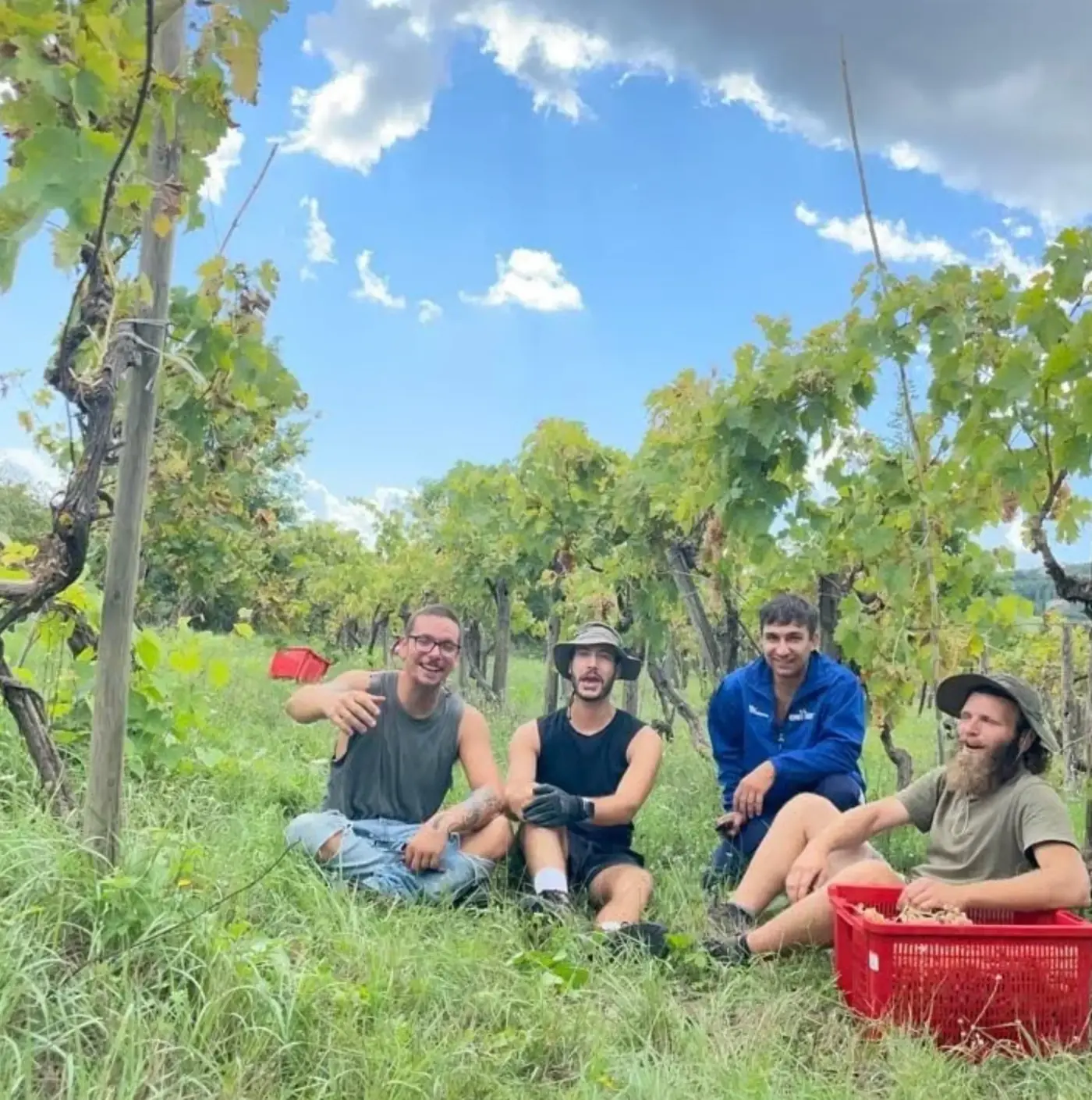
It all began in Allerona Scalo, in the valley of the Paglia river, in Umbria. I come from a family of farmers; I took over the small family vineyard and, by rescuing old abandoned vineyards scattered all over the village, it became Cantina Pulaio. Everything is done by hand, without a tractor, with the most natural approach possible, and in the cellar we use "just" one ingredient: GRAPES.
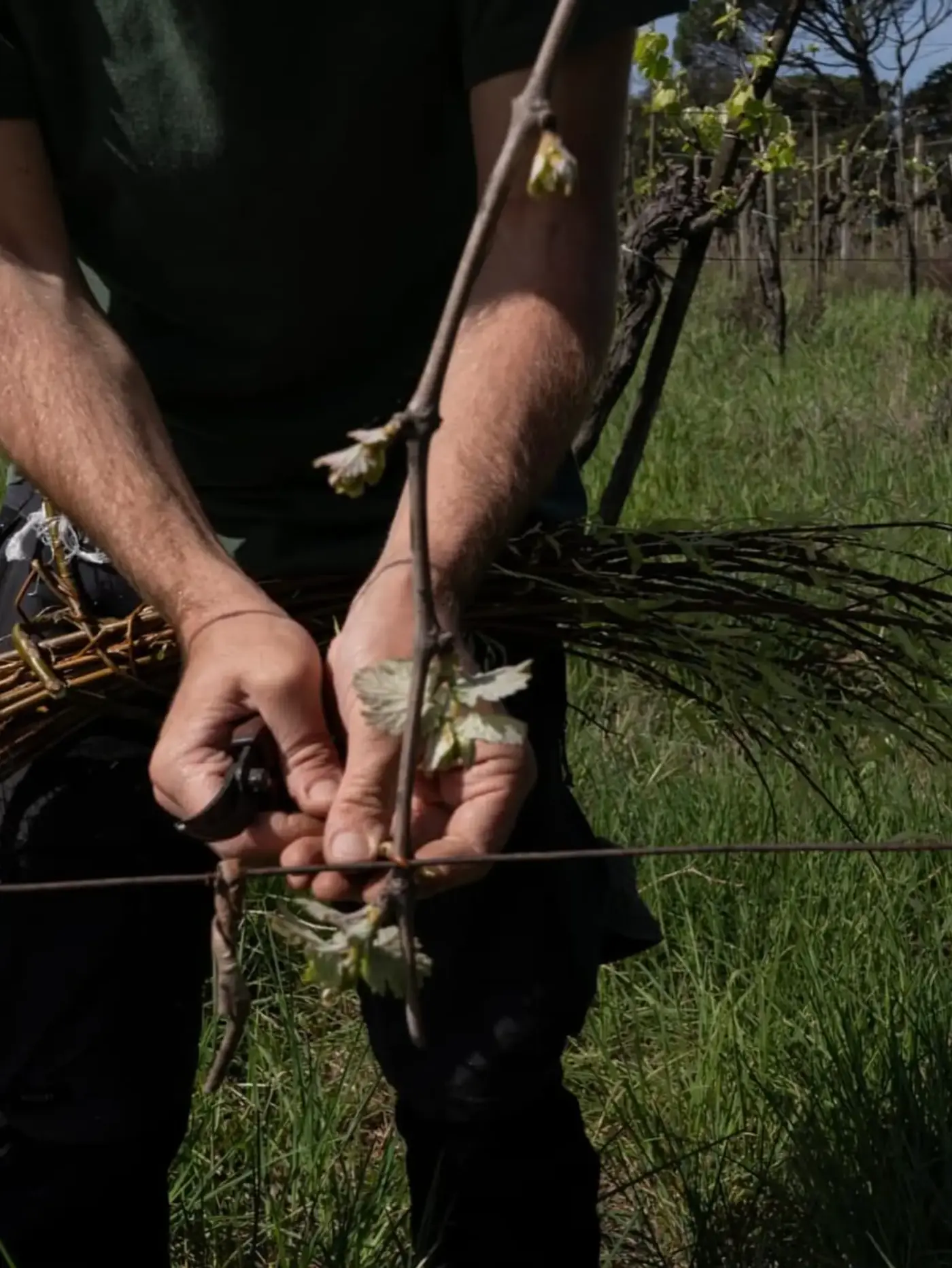
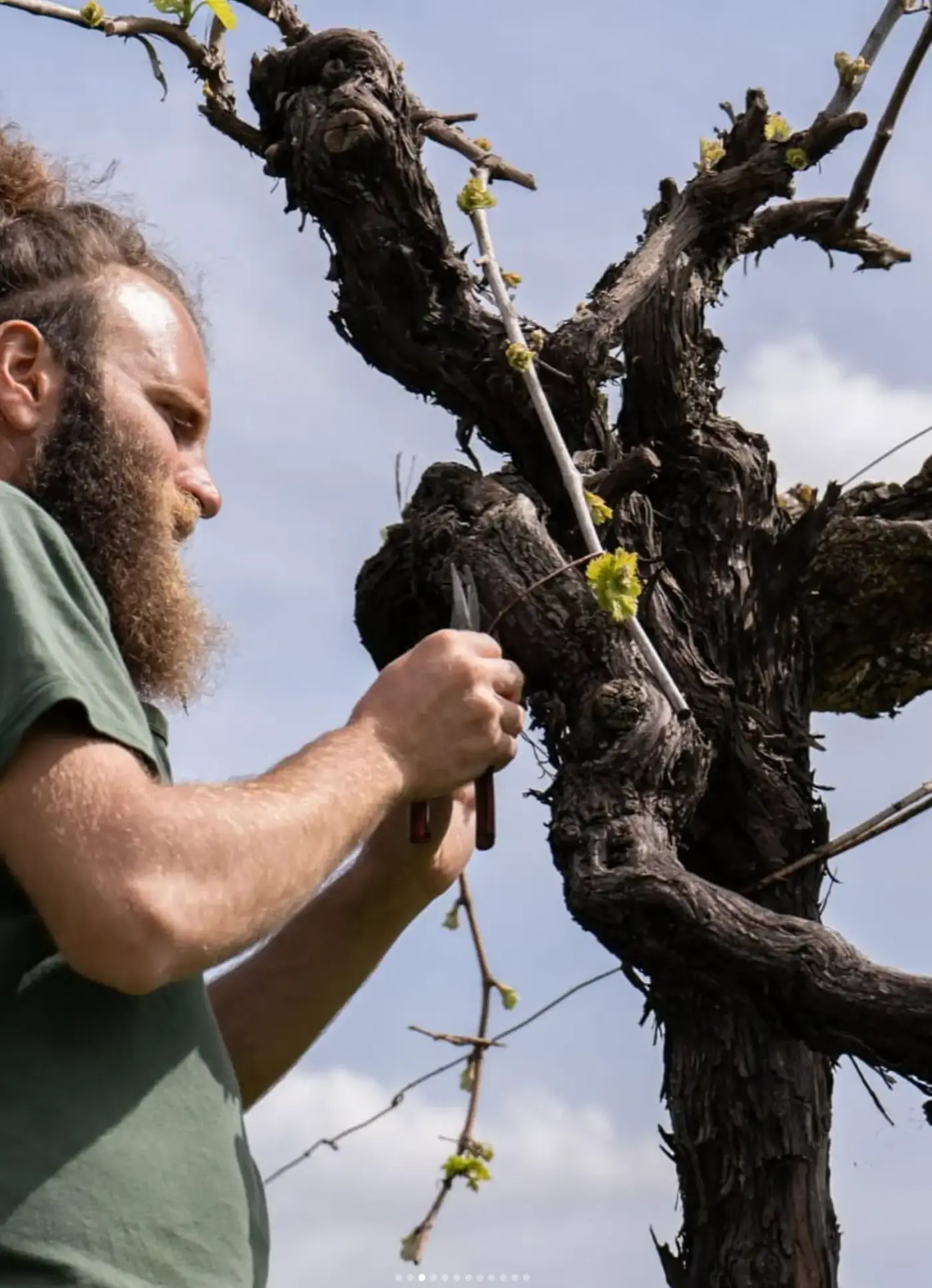
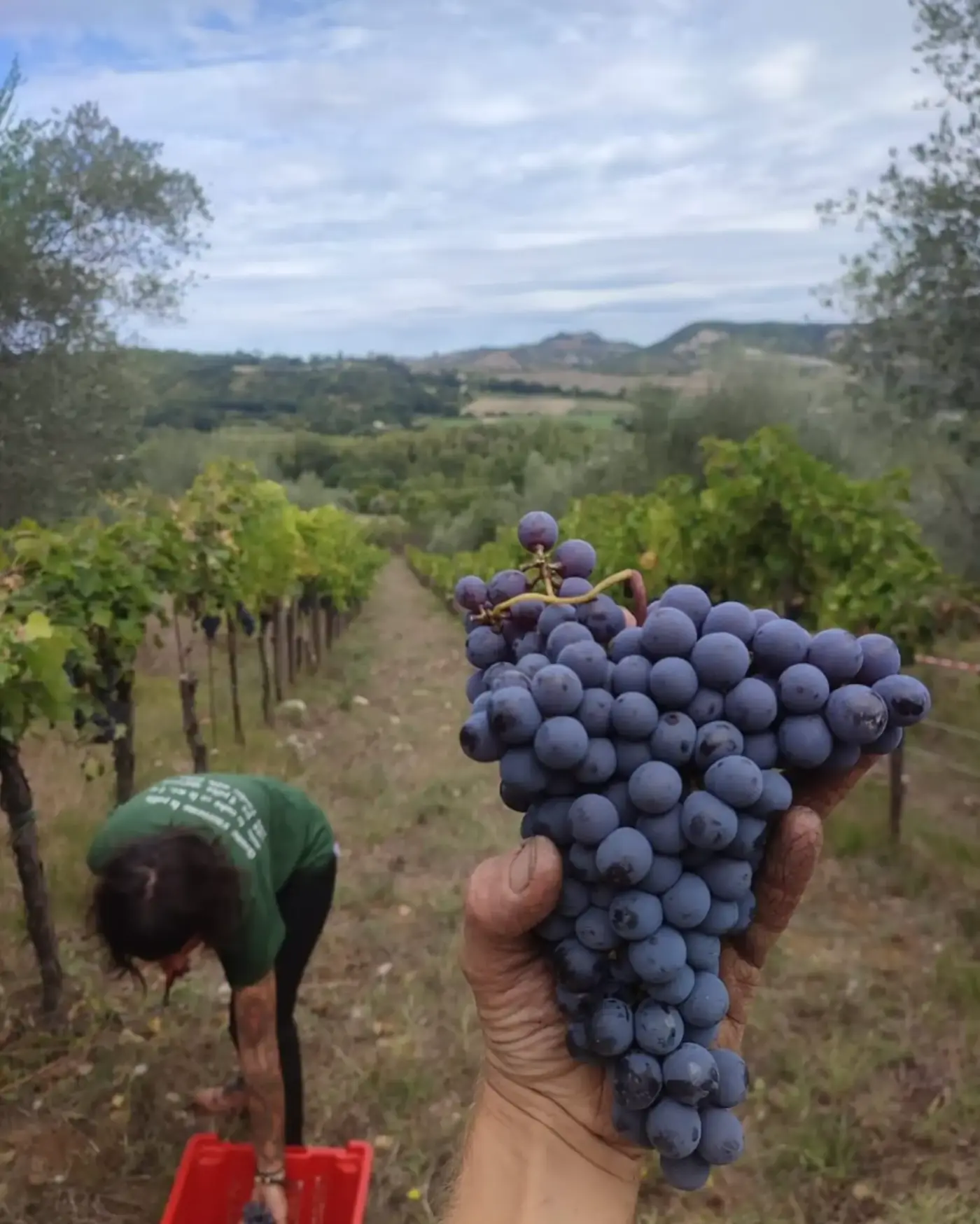


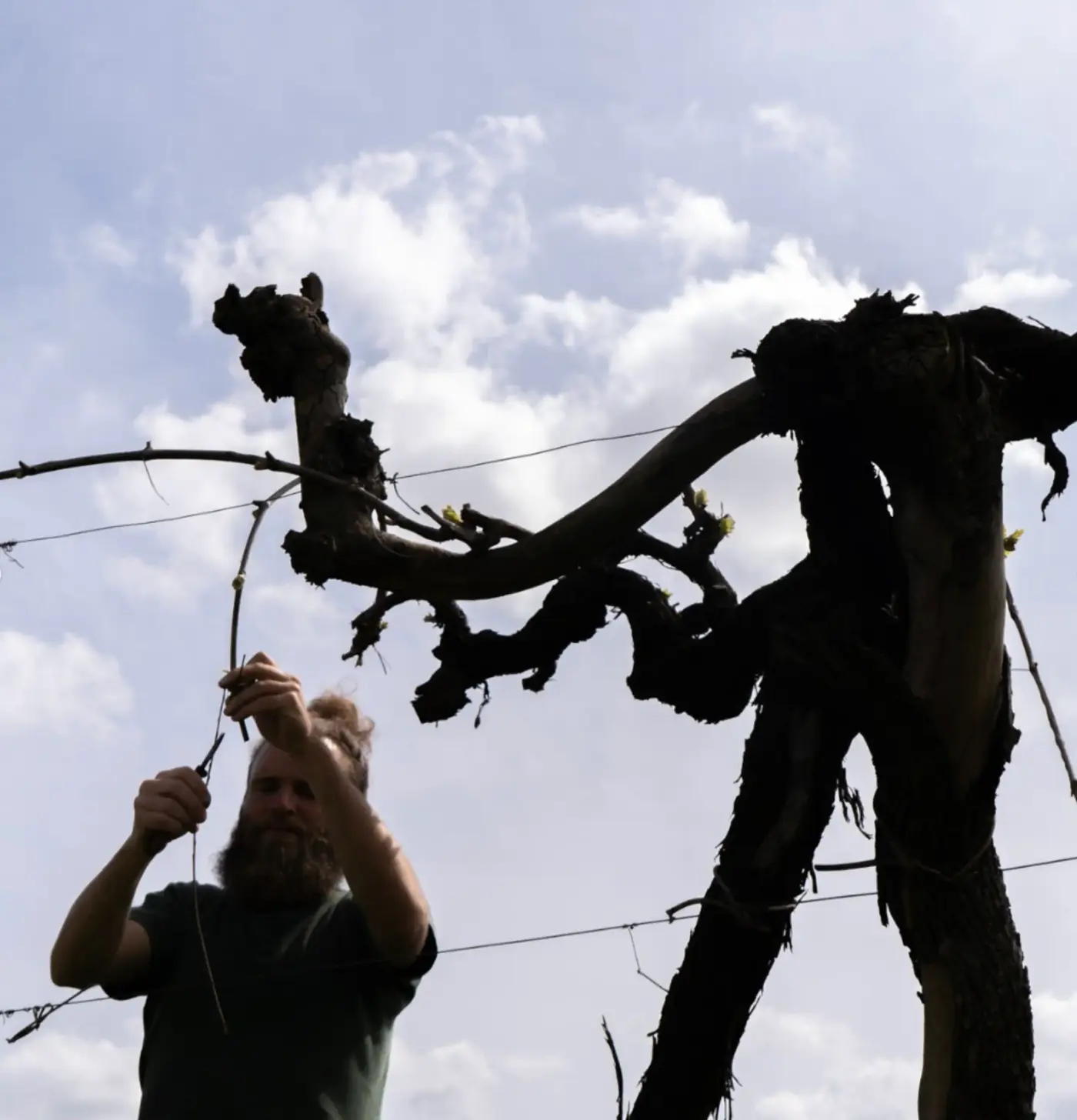
In honour of all the old folks I grew up with, who unknowingly passed on to me so many emotions and memories that I can't put them into words, but I hope to do so through wine.Daniele Fuso,
I'm Daniele Fuso. I come from a family that worked these fields as farmers for generations: I grew up alongside my grandfather and my uncle, who made wine at home, for the family. In 2014, while I was working as a farmhand, I was given the job of carrying on the small family vineyard and bringing its fruit to life in the cellar.
Passion took over: I started rescuing old vineyards that had been abandoned or whose elderly owners could no longer look after them. I made my first wine on my own, with nothing but my uncle's teachings and grapes alone, in the old concrete vats and glass demijohns. In 2019 I followed my instinct and made official what is today Cantina Pulaio.
Allerona Scalo lies in the valley of the Paglia river, where Umbria meets Tuscany and Lazio. The soils here tell three stories: the sea that covered this area millions of years ago, the river that carved out the valley, and the ancient volcanoes of Lake Bolsena, just to the southwest. My 13 plots are scattered around the village.
Millions of years ago the sea reached this far. It left layers of clay and sand full of fossil shells, which can still be found in the ground today, and the calanchi, the rain-carved badland hills you can see around Allerona. The clay holds water for the driest months; the sand lets it run off after storms.
On the valley floor the Paglia river has laid down gravel, pebbles and silt, flood after flood. These are loose, well-drained soils where the vines' roots can reach deep down in search of water.
Climbing towards Castel Viscardo and the Alfina plateau, the landscape changes: here the land was born from the lava flows and ash of the ancient volcanoes of Lake Bolsena. These are the same volcanoes that formed the tuff cliff Orvieto stands on.